
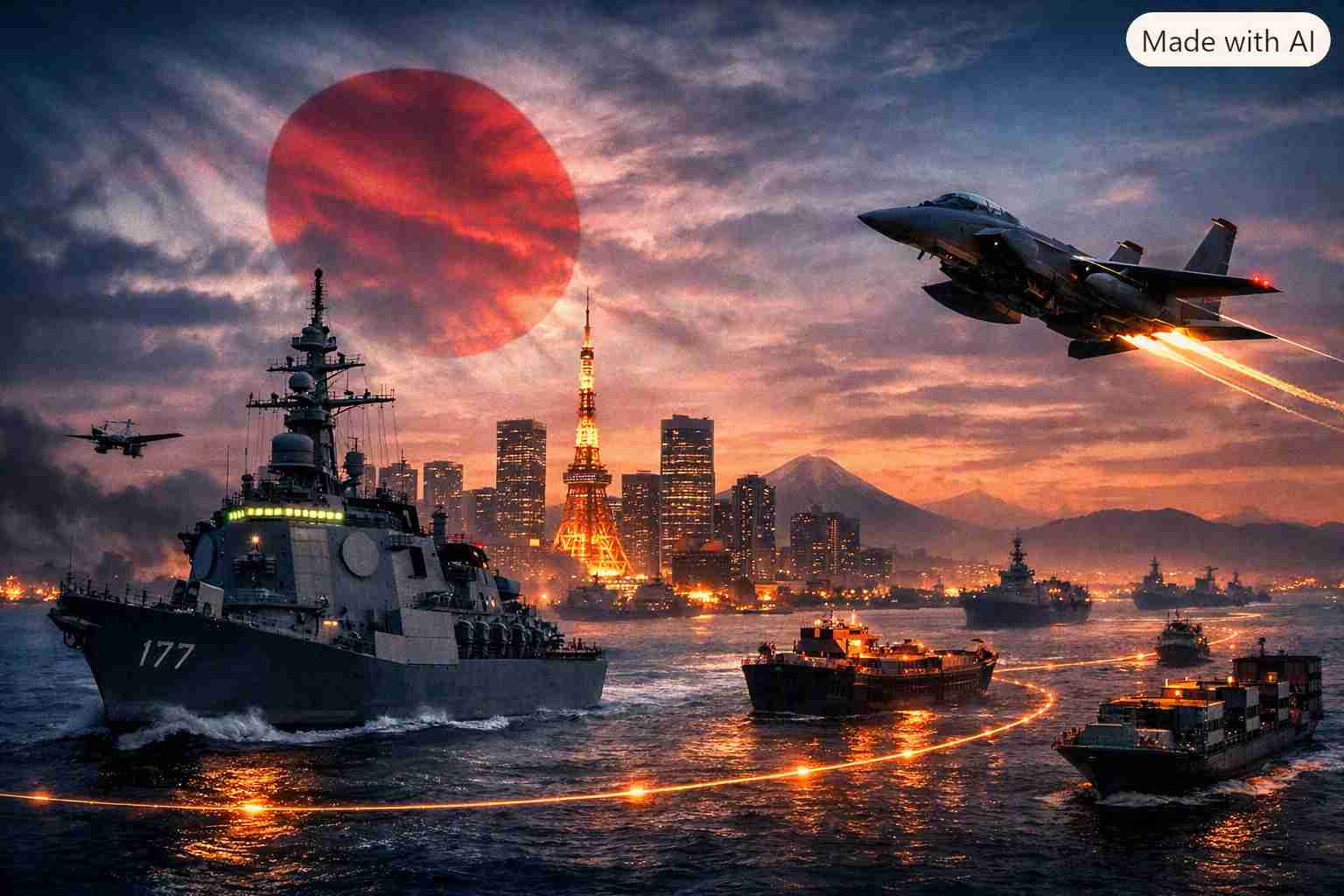
Japan is entering what many analysts describe as the most significant transformation of its defense policy since the end of World War II. Once known primarily for its pacifist constitution and restrained military posture, the country is now accelerating investments in advanced defense capabilities amid growing concerns over an increasingly unpredictable regional security environment.
Japanese Defense Minister Gen Nakatani recently reaffirmed the government’s commitment to expanding the country’s defense capabilities, arguing that the strategic landscape around Japan has changed dramatically. According to Tokyo, simultaneous security challenges posed by China’s expanding military power, North Korea’s continued missile and nuclear weapons development, and Russia’s increased military activities in Northeast Asia require a stronger and more technologically advanced defense posture.
The announcement is about more than larger military budgets. It reflects a broader shift in how Japan views national security in an era where geopolitical competition, cyber threats, and regional conflicts are becoming increasingly interconnected.
Japan’s Security Environment Has Changed Fundamentally
For decades after World War II, Japan relied heavily on its alliance with the United States while maintaining relatively limited military capabilities focused on self-defense.
Today, Japanese policymakers argue that the strategic environment is no longer the same.
Military modernization across Asia, frequent missile tests, maritime disputes, and growing geopolitical rivalry have convinced Tokyo that traditional defense policies must evolve to address new realities.
Rather than responding to one isolated threat