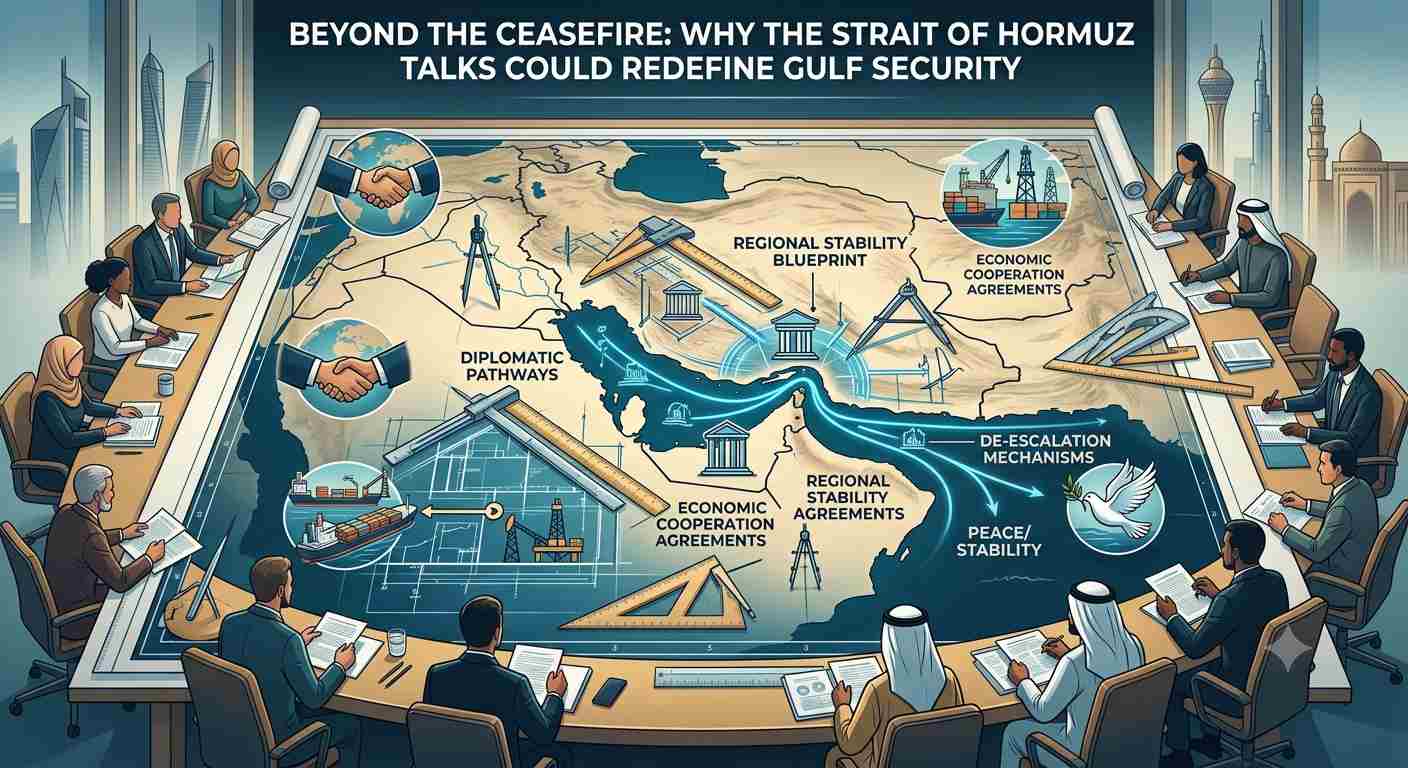
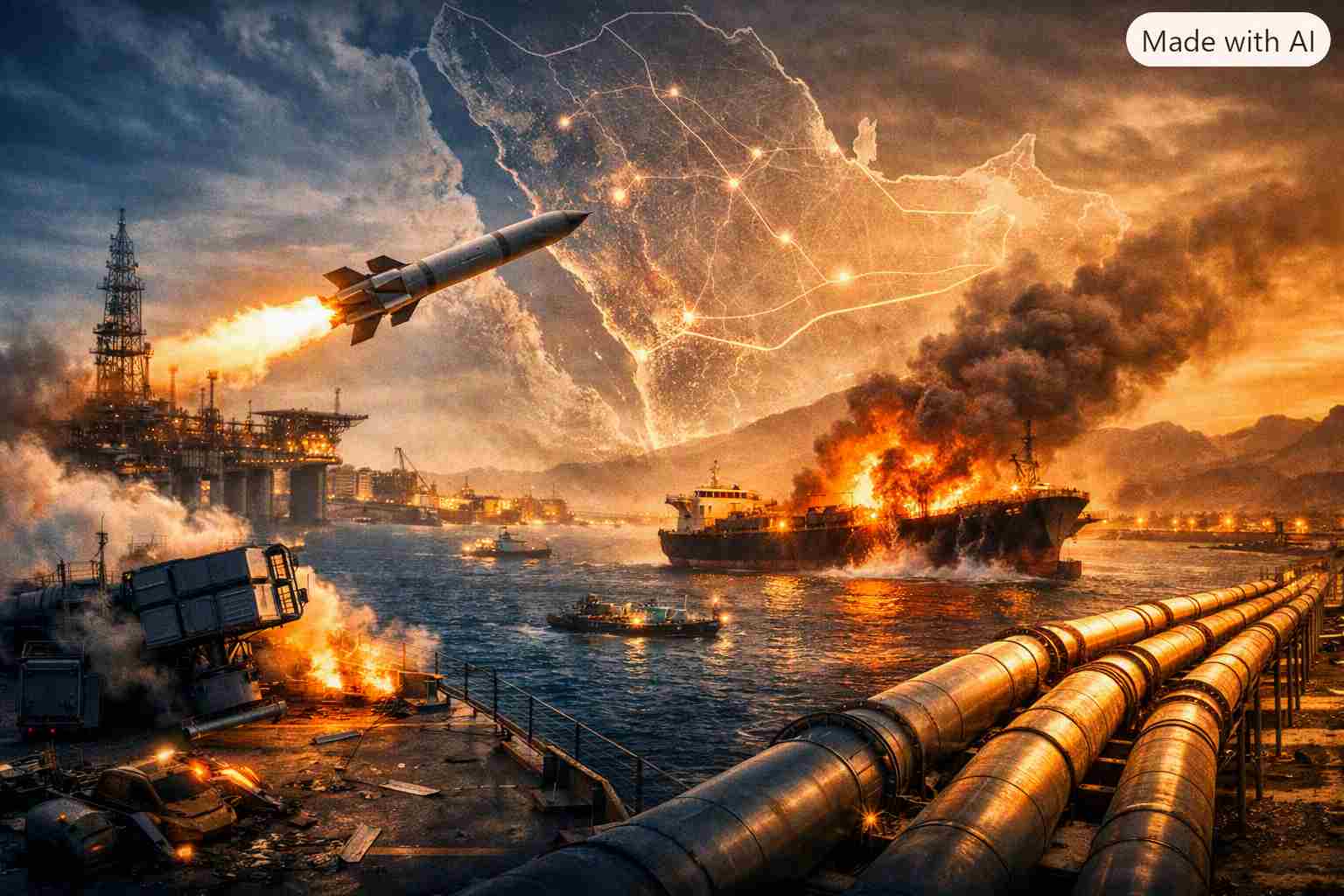
A reported missile attack on a Saudi oil tanker near the Red Sea port of Yanbu has renewed fears that the Middle East conflict is spreading across two of the world’s most important energy corridors.
Yemen’s Houthi movement said it launched the attack against a Saudi tanker off the kingdom’s western coast. Its military spokesperson, Yahya Saree, did not identify the vessel, disclose when the operation allegedly occurred, or provide evidence of damage. Saudi officials had not immediately confirmed the incident when the first reports emerged.
Those uncertainties are important. Yet the claim alone was enough to push oil prices higher and weaken hopes that diplomatic progress surrounding the Strait of Hormuz would soon reduce regional supply risks.
The episode demonstrates how energy shipping has become more than collateral damage in modern conflict. Tankers, ports and narrow maritime passages are increasingly being used as instruments of economic and political pressure.
The Red Sea Has Become a Second Energy Front
Much of the recent international attention has centered on the Strait of Hormuz, which connects the Persian Gulf with global markets.
The Red Sea represents another vital route.
Ships moving between Asia, Europe and the Mediterranean commonly pass through the Bab el-Mandeb Strait and the Suez Canal. Saudi Arabia also uses Red Sea ports and pipelines to export oil without relying entirely on Hormuz.
Attacks in this area therefore create an additional pressure point for global energy trade.
If both Hormuz and the southern Red Sea become dangerous simultaneously, energy companies lose two of their most important transportation options.
The Houthis Are Targeting Economic Confidence
A missile does not need to sink a tanker to achieve a strategic effect.
The possibility of an attack can persuade shipowners to change routes, delay departures or avoid particular ports. Insurers may raise war-risk premiums, while crews may refuse assignments through dangerous waters.
This makes commercial confidence a strategic target.
By declaring a blockade on Saudi shipping and claiming attacks against tankers, the Houthis appear to be attempting to impose economic costs on Riyadh while demonstrating their ability to affect international energy markets.
Earlier Houthi threats had already caused several tankers carrying Saudi crude to reverse course or sail with tracking systems disabled.
Attribution Remains Essential
The current attack should still be described as a Houthi claim unless additional evidence emerges.
Neither the tanker nor independent maritime-security organizations had been publicly identified in the initial reports. Saudi authorities had also not provided immediate confirmation.
In active conflicts, armed groups may exaggerate their operational success for psychological or political purposes. Governments may also delay information for security reasons.
Responsible reporting must therefore separate three different facts: an attack was claimed, markets reacted, but the full operational details remained unverified.
Oil Markets Are Responding to Risk, Not Only Lost Supply
Oil prices rose after the Houthi announcement even though there was no immediate evidence that significant amounts of crude had been removed from the market.
This response illustrates how energy prices work.
Traders assess the probability of future disruption, not merely the volume currently lost. A threat to tankers near Yanbu suggests that further vessels, terminals or export infrastructure could be targeted.
That possibility adds a geopolitical premium to oil prices.
The reaction was particularly sharp because markets had fallen the previous day amid optimism about possible progress in negotiations concerning Hormuz. The Houthi claim reminded investors that one diplomatic opening does not automatically stabilize every conflict zone in the region.
Saudi Arabia’s Red Sea Infrastructure Is Strategically Important
Yanbu is not an ordinary port.
It is connected to Saudi Arabia’s east-west pipeline network, which allows oil produced near the Persian Gulf to be transported across the kingdom and exported from the Red Sea.
This infrastructure provides Riyadh with an alternative when shipping through Hormuz becomes difficult.
That makes Yanbu and nearby tanker routes especially important during the current crisis.
Pressure on the Red Sea route could reduce the strategic value of Saudi Arabia’s main alternative export system, increasing the kingdom’s exposure to disruptions across both sides of the Arabian Peninsula.
The Conflict Is Becoming a Contest Over Chokepoints
The Houthi campaign reflects a broader transformation in regional warfare.
Rather than attempting to defeat a larger opponent through conventional military strength, smaller armed groups can target narrow routes essential to global commerce.
The Bab el-Mandeb and Strait of Hormuz are particularly vulnerable because geography concentrates enormous volumes of shipping into limited passages.
A relatively small number of missiles, drones or naval mines can generate economic consequences far beyond the physical damage caused.
In this environment, controlling risk around chokepoints can become almost as influential as controlling territory.
Civilian Sailors Carry the Immediate Risk
Political statements often describe tankers as economic or strategic assets.
The people aboard them are civilian seafarers.
They may have little connection to the governments or conflicts involved, yet they face the direct consequences of missile strikes, fires and emergency evacuations.
Earlier attacks on Saudi-linked tankers caused a fire aboard the Encelia, although officials said its crew remained safe.
Every new attack increases the possibility of casualties, environmental pollution or a major maritime rescue operation.
Protecting freedom of navigation must therefore include protecting the crews who keep global trade functioning.
Environmental Damage Could Be Catastrophic
An oil tanker damaged near the Saudi coast could create consequences extending far beyond the energy market.
A major spill could harm marine ecosystems, fisheries, desalination facilities and coastal communities. Cleanup operations in a conflict zone would be extremely difficult, particularly if continuing attacks prevented emergency vessels from reaching the area.
Environmental damage would not remain confined to one country.
The Red Sea is a shared ecosystem bordered by several states, meaning pollution could spread across national boundaries.
Military Protection May Increase
Repeated attacks are likely to generate pressure for stronger naval escorts and air-defense deployments.
Saudi Arabia has already pursued a multinational maritime-defense arrangement involving regional and international partners in response to growing threats against Red Sea trade.
Such measures may reduce the vulnerability of individual ships, but they also increase the concentration of military forces in crowded commercial waters.
The closer warships, aircraft and civilian tankers operate to one another, the greater the danger of miscalculation or unintended escalation.
Retaliation Could Expand the War
The United States has previously threatened military retaliation against Iran and the Houthis following attacks on Saudi tankers and energy infrastructure.
Any confirmed strike causing major casualties or a significant oil spill could produce new Saudi or