Diplomatic disagreements are usually expressed through negotiations, official statements, or economic measures. Occasionally, however, governments choose actions that send a much stronger political signal.
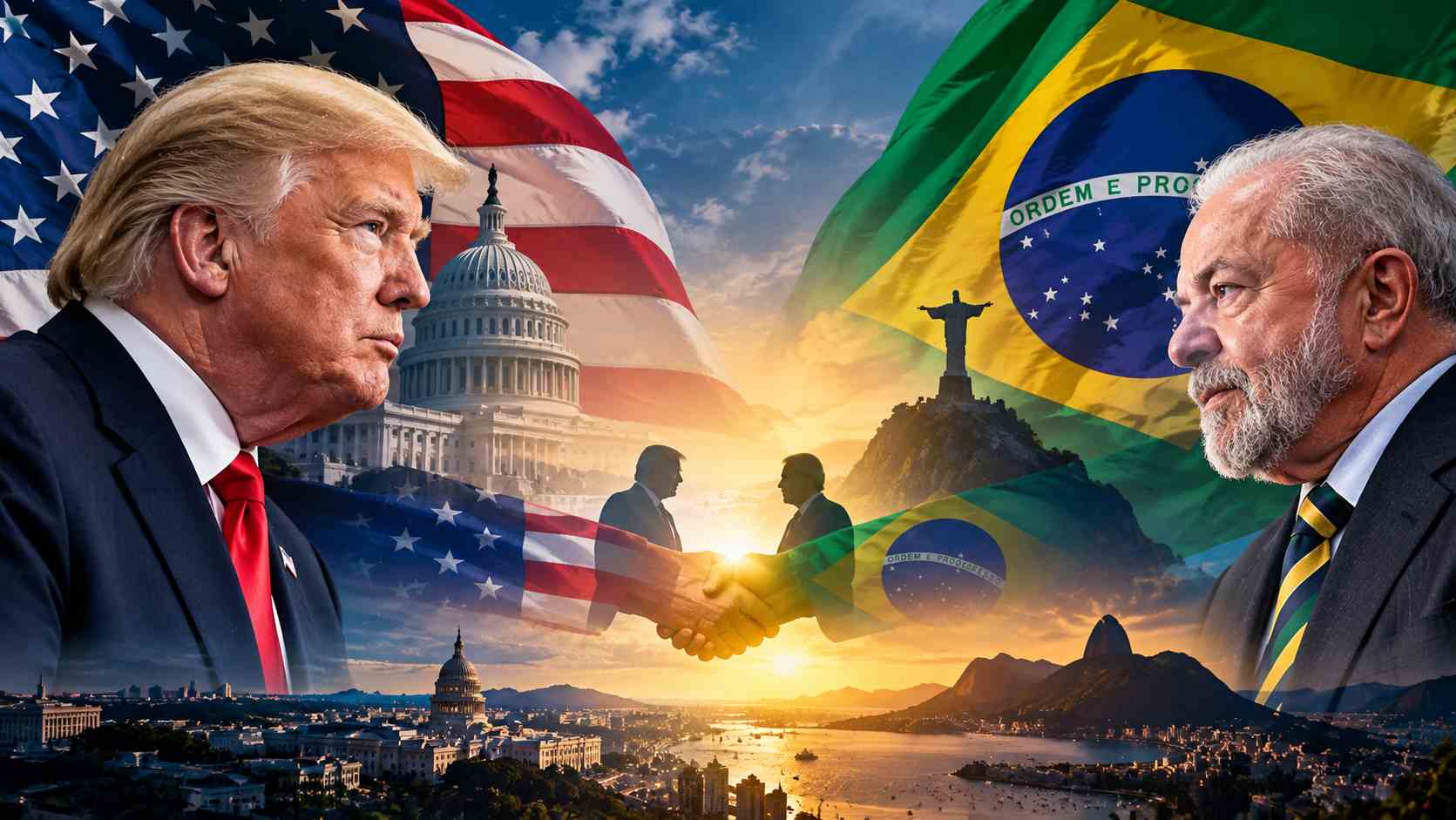
The United States’ decision to revoke the visa of Brazil’s ambassador marks one of the clearest indications that tensions between Washington and Brasília have entered a more confrontational phase. While the measure affects one individual directly, its significance lies in what it communicates diplomatically: relations between two of the Western Hemisphere’s largest democracies have become increasingly strained.
The dispute reflects a broader trend in international politics where immigration rules, travel privileges, and diplomatic access are being used alongside traditional foreign policy tools to express political dissatisfaction.
Diplomatic Visas Are More Than Travel Documents
Unlike ordinary visas, diplomatic visas symbolize official recognition between governments.
Revoking such a visa is rarely treated as a routine administrative action. Instead, it sends a political message that bilateral relations have deteriorated.
Although ambassadors normally continue representing their governments through established diplomatic channels, restrictions affecting their official status often indicate a deeper breakdown in political trust.
The decision therefore carries symbolic importance beyond its immediate practical impact.
Diplomatic Disputes Are Becoming More Public
In the past, many disagreements between governments were handled quietly behind closed doors.
Today, international disputes increasingly unfold in public.
Governments frequently announce sanctions, travel restrictions, visa actions, and diplomatic protests as part of broader efforts to demonstrate resolve both to domestic audiences and foreign governments.
Public diplomacy has become an increasingly visible component of international relations.
Symbolic Actions Can Influence Larger Negotiations
Visa restrictions rarely exist in isolation.
They often accompany wider disagreements involving trade, judicial matters, political statements, security cooperation, or foreign policy differences.
Because diplomatic gestures attract international attention, they can shape the atmosphere surrounding future negotiations even when they do not immediately alter policy.
Symbols sometimes influence diplomacy as much as formal agreements.
The United States and Brazil Share Important Strategic Interests
Despite current tensions, the relationship between Washington and Brasília remains significant.
The two countries cooperate across multiple areas including trade, investment, environmental issues, regional security, science, education, and energy.
This means that even periods of political disagreement occur within a relationship supported by extensive economic and institutional connections.
Maintaining communication therefore remains important regardless of temporary diplomatic disputes.
Domestic Politics Can Influence Foreign Policy
Modern diplomacy is often shaped by internal political considerations.
Governments sometimes adopt firmer international positions to demonstrate consistency with domestic policy priorities or respond to political developments at home.
As a result, actions directed at foreign governments may also carry messages intended for domestic audiences.
Understanding diplomacy increasingly requires considering both international and internal political dynamics.
Diplomatic Channels Usually Remain Open
Even during periods of heightened tension, governments rarely end diplomatic engagement altogether.
Embassies continue operating, officials remain in contact, and negotiations often continue on issues of mutual interest.
History shows that many diplomatic crises are eventually managed through continued dialogue rather than permanent confrontation.
Maintaining communication becomes particularly important when disagreements intensify.
Global Diplomacy Is Becoming More Transactional
International relations are evolving beyond traditional military and economic measures.
Visa policies, technology access, financial restrictions, export controls, and diplomatic privileges are increasingly being used as instruments of foreign policy.
Governments now possess a wider range of tools for expressing approval or dissatisfaction without resorting to broader economic sanctions or military action.
The current dispute reflects this changing diplomatic landscape.
Confidence Is Built Through Institutions
Political disagreements between leaders often receive extensive media attention.
However, long-term bilateral relationships generally depend on institutions rather than personalities.
Trade agreements, educational exchanges, diplomatic missions, cultural ties, and private-sector investment frequently continue despite temporary political disputes.
These institutional connections often provide stability during periods of diplomatic tension.
The Bigger Picture
The reported revocation of the Brazilian ambassador’s U.S. visa illustrates how diplomatic disagreements are increasingly expressed through symbolic actions that attract international attention while stopping short of severing formal relations.
The measure highlights a broader transformation in modern diplomacy, where governments employ a wider variety of political, legal, and administrative tools to communicate their positions.
Although such actions may temporarily deepen tensions, they do not necessarily indicate a permanent breakdown in bilateral relations. History demonstrates that even serious diplomatic disputes are often followed by renewed dialogue once political circumstances evolve.
Ultimately, the significance of this episode lies not simply in a visa decision but in what it reveals about contemporary international relations. Diplomacy today extends far beyond traditional negotiations, with symbolic measures becoming powerful instruments of statecraft in an increasingly interconnected world.
The long-term direction of U.S.-Brazil relations will depend less on individual diplomatic gestures and more on whether both governments can preserve communication, manage disagreements constructively, and continue cooperating on the many strategic interests they still share.